Charcoal vs. Gas: The Ultimate Showdown
Analyzing the great debate of backyard cooking: convenience versus traditional flavor profiles.
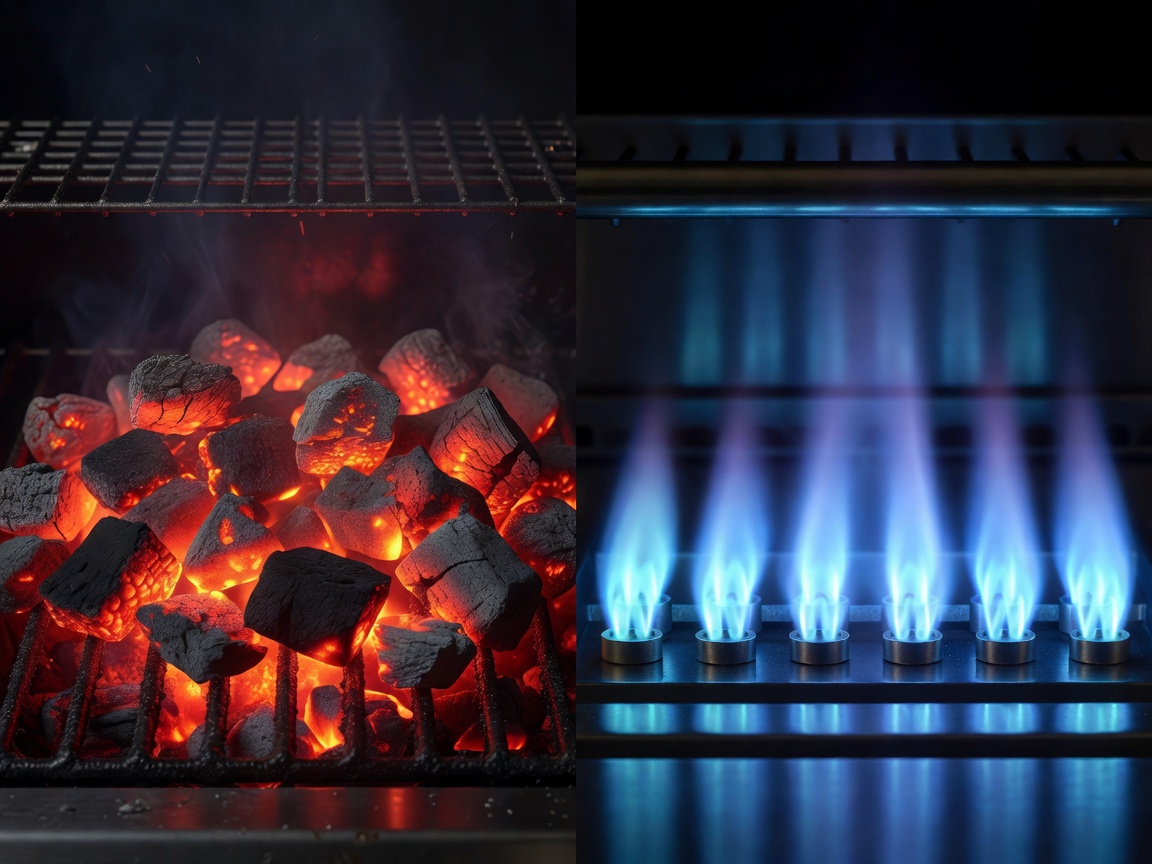
When you decide to take outdoor cooking seriously, the first crossroad you face is arguably the most significant: choosing between charcoal and gas. This isn't merely a purchasing decision; it's a commitment to a specific style of cooking, a distinct workflow, and ultimately, a different set of flavors.
At Vaultbundletempon, we don't believe one is objectively better than the other in all circumstances. Instead, we break down the mechanics, the chemistry, and the economics of both so you can make an informed decision for your backyard.
The Chemistry of Flavor
The most cited reason for choosing charcoal is "flavor," but what does that actually mean? Charcoal—particularly lump charcoal—burns hotter and produces a distinct chemical reaction when fat drips from the meat onto the hot coals. These fats vaporize, creating complex smoke that drifts back up to coat the food. This creates the signature "barbecue flavor" that is incredibly difficult to replicate.
Gas grills rely on metal flavorizer bars or ceramic briquettes to catch drippings. While they do vaporize some fat, propane and natural gas burn very cleanly. This means the fuel itself imparts zero flavor to the food. Gas is fantastic for highlighting the natural taste of a quality steak or delicate fish without overpowering it with smoke.
Heat Control and Temperature Ranges
Mastering a charcoal grill requires understanding airflow. By manipulating the bottom intake and top exhaust vents, you control the oxygen feeding the fire. A well-managed charcoal setup can achieve scorching searing temperatures (often exceeding 800°F) or hold a steady 225°F for slow-cooking ribs. However, adjusting temperatures mid-cook takes time and practice.
Gas grills shine in sheer convenience and precision. Turn a dial, and you have immediate heat. Want less heat? Turn it down. Most standard gas grills peak around 500°F to 600°F unless equipped with a dedicated infrared sear burner. They excel at steady, predictable multi-zone cooking for weeknight dinners.
Direct Comparison
| Feature | Charcoal Grills | Gas Grills |
|---|---|---|
| Startup Time | 20-30 minutes (using a chimney starter) | 5-10 minutes (turn dial and ignite) |
| Max Temperature | 800°F+ (excellent for searing) | 500°F - 600°F (without infrared) |
| Fuel Cost | Higher per cook (charcoal bags deplete quickly) | Lower per cook (propane tanks last weeks) |
| Cleanup | High (disposing of ash after every few cooks) | Low (occasional scraping and drip pan emptying) |
| Smoke Flavor | High (rich, authentic wood-fired taste) | Low (relies purely on vaporized fat) |
Maintenance and Longevity
Charcoal grills, particularly heavy-duty steel kettles, have very few moving parts. There are no gas lines to clog, no igniters to fail, and no burner tubes to rust out. As long as you empty the corrosive ash and keep it covered, a good charcoal grill can last decades.
Gas grills are complex machines. Even high-end models will eventually require replacement parts. Burner tubes can corrode, spider webs can clog gas venturis, and piezo igniters frequently fail after a few seasons of harsh weather. Maintenance requires regular deep cleaning of the firebox to prevent dangerous grease fires.
The Verdict
If you value the ritual of building a fire, crave intense smoky flavors, and want the versatility to smoke low-and-slow or sear at blistering temperatures, charcoal is the undisputed king.
If you have a busy lifestyle, want to cook outdoors on random Tuesday evenings, and prefer precision control with minimal cleanup, a gas grill will serve you incredibly well.