Decoding Regional BBQ Styles
From the beef strongholds of Texas to the whole-hog traditions of the Carolinas.
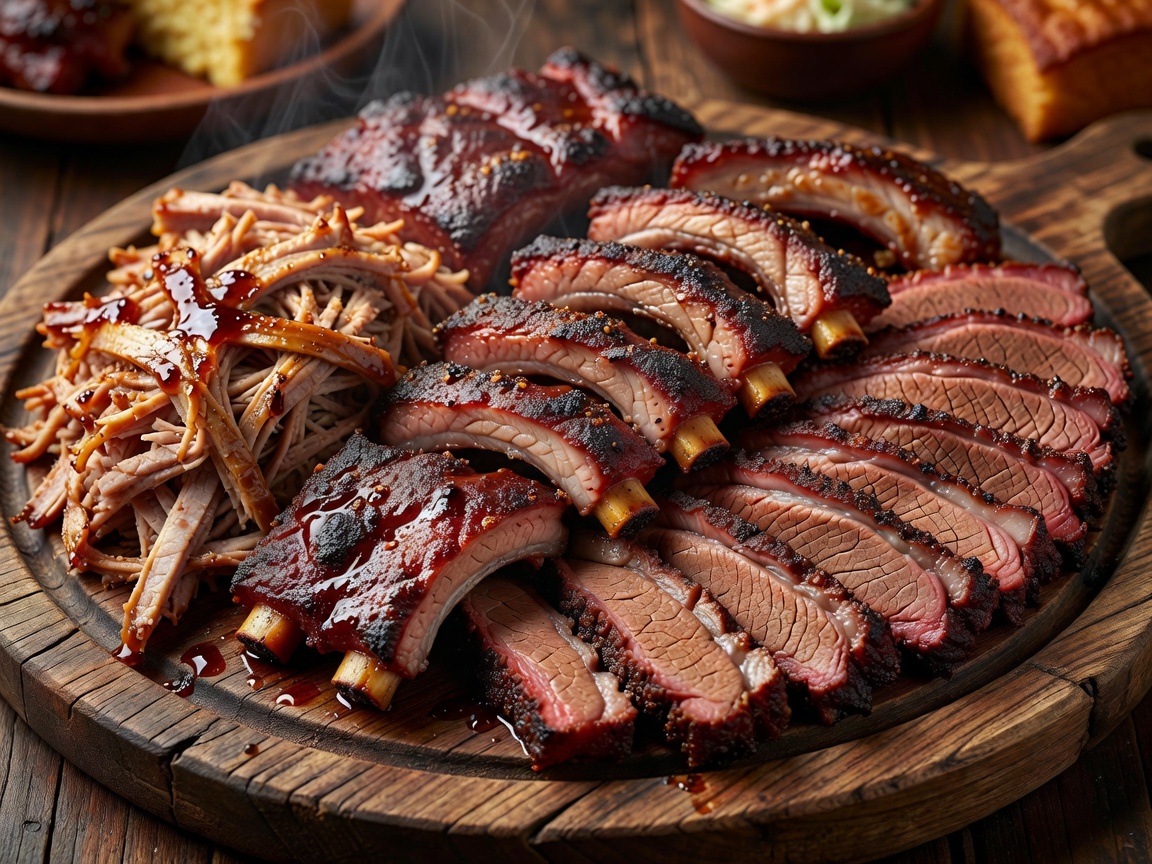
In the United States, "barbecue" is not a monolith. It is a deeply regional culinary tradition, shaped by local agriculture, historical immigration patterns, and indigenous wood species. Wars are fought over which style is superior, but a true aficionado respects the craft behind all of them.
Central Texas: The Cathedral of Beef
In Central Texas, barbecue is synonymous with beef brisket. Influenced by Czech and German butchers who settled the area, the focus is squarely on the meat. The rub is historically just equal parts coarse kosher salt and black pepper (the "Dalmatian rub"). It is smoked low and slow over Post Oak wood in massive offset smokers. Sauce is often served on the side, but slathering a prime brisket in sauce is considered a severe faux pas.
The Carolinas: Whole Hog and Vinegar
Carolina barbecue is fundamentally about pork, tracing its roots back to early colonial history. However, the region is split internally:
- Eastern North Carolina: The purists. They cook the whole hog, chop the meat, and mix it together. The sauce is a thin, sharp mixture of apple cider vinegar, black pepper, and chili flakes designed to cut through the rich, fatty pork.
- Western North Carolina (Lexington): They focus primarily on the pork shoulder. The sauce retains the vinegar base but adds a touch of tomato paste or ketchup, resulting in a slightly sweeter, redder dip.
- South Carolina: Influenced by German immigrants, South Carolina introduces "Carolina Gold"—a distinctive mustard-based barbecue sauce that is tangy, slightly sweet, and heavily spiced.
Memphis, Tennessee: The Rib Capital
Memphis is famous for pork ribs, cooked over hickory wood. You can order them "wet" (brushed with a sweet, tomato-based sauce before and after cooking) or "dry" (coated in a complex spice rub featuring paprika, garlic, and herbs, served without sauce). Memphis is also famous for barbecue spaghetti and pulled pork sandwiches topped with creamy coleslaw.
Kansas City, Missouri: The Melting Pot
Because of its history as a major meatpacking hub, Kansas City barbecue features everything: beef, pork, chicken, and mutton. They cook low and slow over hickory and oak. Kansas City is the birthplace of the thick, sweet, molasses-and-tomato-based sauce that most the world now generically associates with "BBQ sauce." Their signature dish is "Burnt Ends"—the heavily smoked, fatty point muscle of the brisket, cubed, tossed in sauce, and returned to the smoker to caramelize.
| Region | Primary Meat | Signature Sauce | Preferred Wood |
|---|---|---|---|
| Central Texas | Beef Brisket | None (or thin/savory) | Post Oak |
| Eastern NC | Whole Hog Pork | Vinegar & Pepper | Hickory / Oak |
| Memphis | Pork Ribs | Dry Rub / Sweet Tomato | Hickory |
| Kansas City | Burnt Ends / Ribs | Thick, Sweet Molasses | Hickory / Apple |